
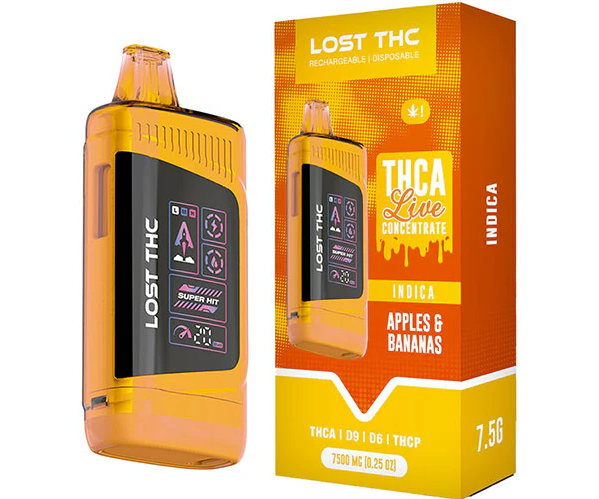
When people search for Lost THC Vape, they usually are not looking for a long general explanation about vaping.
They are already further along than that.
Most of the time, they are trying to answer more practical questions. Is this brand real. What is the difference between one version and another. Why do some devices look almost the same but still feel different once you read the listing properly. What should you check before you spend money. That is where the real decision starts.
That is also why a useful article for this keyword has to do more than repeat that people want convenience or portability. Most readers already know that. The more useful part is helping them sort out what actually changes the experience once the device is in hand.
Start with the device, not the flavor name
A lot of people begin with strain names or whatever version sounds the most interesting.
That makes sense. Those are the first things you notice.
But with Lost THC Vape, the smarter place to start is the hardware side. Some listings put a lot of emphasis on things like rechargeable design, preheat, ceramic coil heating, temperature settings, and battery or oil indicators. Those are not small extras. Those are the things that affect whether the device feels smooth, annoying, clear, or inconsistent after a few days of use.
If two products sound similar but one gives you a better sense of how it charges, how it handles thicker oil, and whether you can control the heat, that one is already easier to judge.
That matters more than people think.
The first real question is what kind of experience you are trying to avoid
This is a better question than asking which one is best.
Some people are mainly trying to avoid a weak device that stops feeling right halfway through. Some are trying to avoid clogging. Some do not want something that dies before the oil is done. Some just want a product page that explains enough so they do not feel like they are guessing.
That is why the features matter.
For example, if a listing shows preheat, rechargeable design, and battery and oil indicators, it is giving you clues about the kinds of problems the device is trying to reduce. A preheat function is there because thicker oil can be annoying. Rechargeable design matters because people do not want oil left over in a device with a dead battery. Indicators matter because a lot of buyers are tired of guessing whether the issue is battery, oil level, or the device itself.
That is a much more useful way to read a listing.
Why authenticity should not be treated like a side issue
This is one of the biggest useful points around this keyword.
A lot of people searching Lost THC Vape are not only comparing versions. They are also trying to work out whether the product is genuine. That is a real concern, and it should be treated like one.
If a listing does not help you verify what you are buying, that is not a small problem. That is one of the first things a careful buyer should check.
Readers should look for signs that the product is presented clearly, that the category feels focused, and that the store does not make the whole thing feel vague. If the page feels messy or the product information feels thin, that usually makes the decision harder, not easier.
What to compare before you get pulled into branding language
A better way to compare a Lost THC Vape listing is to look at five things first.
- Version and size
Do not assume every Lost THC device is basically the same. Different versions can be built and described differently. If one version is focused on a larger size and another is built around a different blend or feature set, the version name actually matters.
- Charging and reusability feel
Some disposable style products are still rechargeable. That changes the day to day use more than people expect. If a device is rechargeable, that already tells you something useful about how it is meant to be used and whether it may feel less wasteful once you actually own it.
- Preheat and clog resistance
This is one of those details buyers ignore until it annoys them. If the product page mentions preheat or a design that seems built to reduce clogging, that is worth paying attention to. It speaks to a real frustration point, not just a fancy extra.
- Temperature control
Not everyone cares about heat settings, but some people do. If the listing shows more than one temperature setting, it gives the buyer a bit more control instead of one fixed experience every time.
- Product clarity
This should be near the top, not near the bottom. If you cannot tell what version you are looking at, what type of hardware it uses, or what practical features it offers, that should slow you down.
One mistake people make with this keyword
They buy the story before they buy the format.
A lot of people get pulled in by the name, the blend, or the flavor language before they check whether the listing is actually helping them make a good decision.
But once the product arrives, none of that matters as much as the basics.
Does it charge easily.
Does it give you any clue about battery and oil level.
Does it seem built to reduce clogging.
Does the category page make the comparison easier.
Those are the questions that still matter after the first impression wears off.
What a helpful retailer page should do
A useful retailer page should make the category feel easier, not louder.
It should help the reader see that this is a real Lost THC Vape category, not a random product dropped into a mixed catalog. It should help them compare versions, understand what makes one listing more practical than another, and move toward a decision without opening ten more tabs.
That is where a category page like Albanese Gummy Bears Lost THC Vape section can make sense for readers. Not because the reader needs a hard sell. More because a focused category page gives them one place to compare Lost THC options instead of bouncing around from one unclear listing to another.
That is a much more honest kind of value.
What readers should do before buying
Slow the process down a little.
Check whether the listing clearly shows the version.
Check whether it explains the hardware, not just the blend.
Check whether the device has features that deal with real annoyances like clogging, charging, or guesswork around oil level.
Check whether the category feels clear enough to compare without getting lost.
If a page helps with those things, it is doing its job.
If it does not, then the reader is still being left to figure out the hard part alone.
Final thought
The best content for Lost THC Vape is not content that only says people want something easy or discreet.
The better content is the kind that helps a reader make fewer mistakes.
That means showing them what to compare, what details matter after the first click, and why a version name is not just decoration. Once you frame the article that way, it finally becomes useful.