If you’ve been seeing Thca-flowers everywhere lately, you’re not alone. People are searching for it because they want something that looks and smells like traditional cannabis flower, but is often sold under the hemp marketplace label in many places. The problem is that a lot of pages either oversimplify what THCA is, or skip the practical stuff that actually helps you choose a clean, legit product.
This guide keeps it simple: what THCA flower is, what it does, how it’s different from THC flower, what to check before you buy, and how to store and use it safely.
Quick note (important): This is general info for adults. Laws and product rules vary by location and can change. If cannabis/hemp products aren’t allowed where you live, don’t order them. Also, if you’re subject to drug testing, read the drug-test section before you do anything else.
What is THCA flower?
THCA stands for tetrahydrocannabinolic acid. It’s a naturally occurring compound found in raw cannabis. In the plant, cannabinoids often start in “acid” form (like THCA) and change when heated.
THCA flower is cannabis-type flower that’s marketed based on its THCA content (and its compliance status, depending on how it’s tested and sold). It’s typically grown, trimmed, and cured like traditional flower, with the same kind of look, aroma, and terpene profile people expect.
The key point: THCA isn’t the same as THC—until heat is involved
- THCA (raw, unheated): generally not intoxicating in the same way THC is.
- THC (after heating): the compound most people associate with a “high.”
When you apply heat (smoking, vaping, baking), THCA converts into THC through a process called decarboxylation. That’s why THCA flower can feel very similar to THC flower when used the same way.
THCA flower vs THC flower: what’s the real difference?
For most buyers, the experience difference comes down to how you use it and how the product is tested and labeled.
Similarities
- Same plant material (flower)
- Similar terpene-driven aromas and strain profiles
- Similar effects when heated (because THCA converts to THC)
Differences that matter
- Labeling and compliance context: THCA flower is commonly sold in markets that treat it differently than state-regulated dispensary THC flower. That affects availability, shipping rules, and how products are presented.
- Testing presentation: Some brands highlight THCA percentage because it’s a major part of the potency story. What you want is clarity, not hype.
- Quality range is wide: There’s excellent THCA flower and there’s sketchy THCA flower. Your outcome depends heavily on whether you check the right things (COAs, batch match, contaminants).
What does THCA flower feel like?
If you smoke or vape THCA flower, many people report effects that feel similar to THC flower—because heat converts THCA to THC.
The “feel” depends less on the letters on the label and more on:
- Potency (THCA % and total cannabinoid content)
- Terpene profile (often influences perceived effects like calm, focus, heaviness, etc.)
- Dose and tolerance
- How you consume it
If you’re new, don’t chase the highest percent. “Strongest” is not always “best,” especially if it leads to anxiety, sleepiness at the wrong time, or a rough first experience.
How to choose quality THCA flower (COA-first, always)
If you take only one thing from this guide, take this: never buy THCA flower without a real COA (lab report) for the exact batch.
A COA (Certificate of Analysis) should be specific, readable, and tied to the product you’re buying.
The 60-second COA checklist
Before you buy, confirm:
- Batch/lot number match
- The COA should show a batch or lot number.
- The product page or packaging should match it.
- Cannabinoid panel is complete
- You should see THCA and (often) delta-9 THC listed.
- You may also see CBD, CBG, CBC, etc.
- Contaminant testing is included (not just potency)
Look for pass results on:
- Pesticides
- Heavy metals
- Microbials (mold, yeast, bacteria)
- Residual solvents (more common for concentrates, but still good to verify when present)
- Mycotoxins (a common “trust signal” if included)
- Dates make sense
- Recent test date is better than an old one.
- Extremely old reports are a red flag.
Common red flags (skip these)
- “Lab tested” claims with no COA available
- A COA screenshot that’s blurry or cropped
- A COA that doesn’t list contaminants—only potency
- COA exists, but no batch match
- Vague product descriptions with zero specifics (no strain info, no curing notes, no terpene mention, no transparency)
Potency: how to read THCA percentages without getting misled
THCA flower listings often show a big THCA number. That’s fine, but here’s the practical way to interpret it:
- Higher THCA % generally means stronger potential effects when heated, but it’s not the whole story.
- Terpenes, freshness, cure quality, and how you consume it can change the experience a lot.
Practical tip: If you’re trying a new product, start with a small amount, wait, and see how you feel—especially if you’re switching from edibles to flower or from low-potency to high-potency.
Best ways to use THCA flower (and what changes the experience)
Smoking
Fast onset, easier to adjust dose quickly. Quality of the flower matters a lot here—harshness, moisture level, and cure can make or break the experience.
Vaping flower
Often smoother and more flavor-forward, and some people find it easier to manage intensity. Temperature and device quality matter.
Edibles (made from flower)
This is where people get surprised. When you cook or bake, you’re decarboxylating THCA, and the effects can feel stronger and last longer than inhalation. Dosing is harder to control, especially for beginners.
If you’re not experienced with edibles, be cautious. Start low and go slow.
Legality and shipping: what you should know (without the confusion)
THCA flower exists in a legal gray area depending on location and how rules are applied. What’s “allowed” in one place can be restricted in another.
Here’s the safe, simple approach:
- Assume rules vary by state/region.
- Assume rules can change.
- Only buy from sources that show testing transparency and clear policies.
- If you’re unsure, check your local rules before ordering.
Also: if a site refuses to talk about testing or policy details, that’s not a good sign.
Will THCA flower show up on a drug test?
This is the blunt truth: it can.
Most standard drug tests look for THC metabolites, not “THCA” as a label term. If you smoke or vape THCA flower, you’re converting THCA into THC, and your body can produce the same metabolites that drug tests detect.
If you get tested for work, probation, athletics, or any compliance reason:
- Do not assume THCA flower is “test-safe.”
- If avoiding a positive test matters, it’s safer to avoid THC/THCA flower entirely.
Storage: how to keep THCA flower fresh (and avoid waste)
Flower degrades when it’s exposed to heat, air, and light. Bad storage can turn a great product into something dry, harsh, and disappointing.
Use this simple storage setup:
- Airtight glass jar
- Cool, dark place (not a sunny shelf)
- Avoid heat (don’t store near electronics or in a hot car)
- Optional: humidity pack if you live in a dry area
If your flower is too dry, it burns faster and feels harsher. If it’s too moist, you risk mold. That’s why contaminant testing and good storage both matter.
A practical buying checklist
When you’re choosing THCA flower, look for:
- A clear COA with batch match
- Full contaminant testing (not just potency)
- Freshness (recent testing + good packaging)
- Strain details (even simple notes help: aroma, expected vibe, terpene lean)
- Straightforward policies (shipping, returns, customer support)
- No weird promises (anything claiming “legal in all 50 states” without nuance is often oversimplified)
Where to shop THCA flower from Trap University
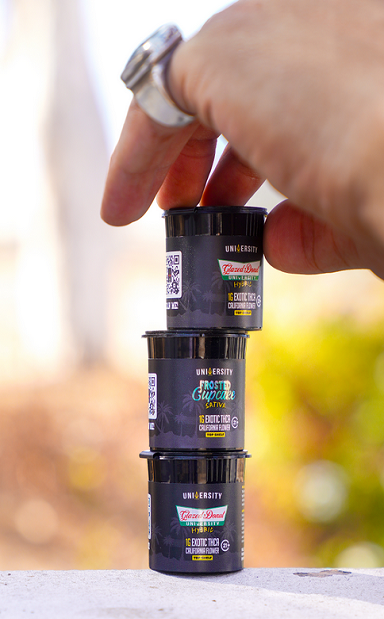
If you want to browse a dedicated collection in one place, you can explore Trap University’s THCA flower category here: Thca-flowers
When you’re browsing, use the checklist above—especially the COA and contaminant checks. The goal is simple: buy flower you can feel good about choosing, not just whatever has the biggest percentage on the screen.
Quick FAQ
Is THCA flower the same as “regular weed”?
It’s still flower from the cannabis plant. The meaningful difference is usually how it’s marketed and tested, and how it’s sold in different markets. When heated, THCA can convert to THC, which is why the experience can be similar.
Will THCA flower get you high?
If you heat it (smoke/vape/cook), it can feel like THC flower because THCA converts into THC. If you don’t heat it, the intoxicating effect is generally much lower.
What’s more important: THCA % or terpenes?
Both matter, but terpenes and freshness often decide whether the experience feels clean, pleasant, and strain-accurate. High % without quality can still be disappointing.
How do I know if a brand is legit?
Start with transparency:
- Batch-matched COAs
- Contaminant testing
- Clear policies
- No exaggerated claims