
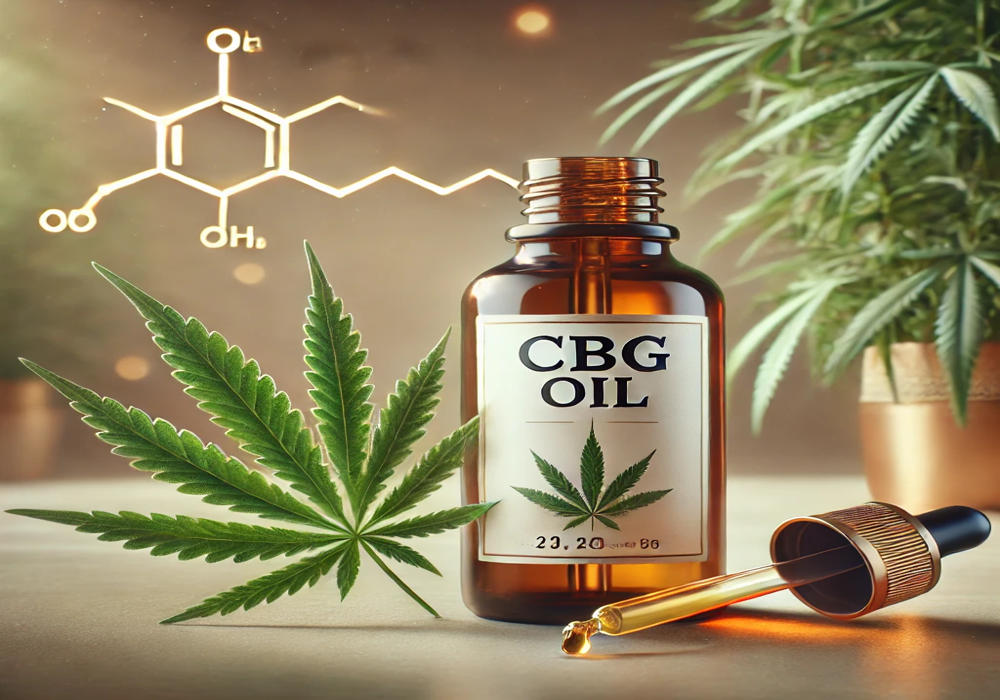
The world of cannabinoids is expanding beyond CBD and THC, with CBG (cannabigerol) emerging as an essential compound in hemp. As interest in plant-based wellness solutions continues to grow, CBG has gained recognition for its unique characteristics and potential applications.
CBG plays a fundamental role in the cannabinoid lifecycle, making it a critical component in hemp research and product development. This guide explores the importance of CBG, how it compares to CBD, and what makes it an exciting area of study in the wellness space.
What Makes CBG Unique?
CBG is often referred to as the “mother cannabinoid” because it serves as the precursor to other cannabinoids. As the hemp plant matures, CBGA (cannabigerolic acid) converts into major cannabinoids such as THC, CBD, and CBC. Since most CBG transforms into other compounds during growth, it is found in low concentrations in mature hemp plants.
To obtain higher CBG yields, cultivators selectively breed strains with higher CBGA content, ensuring more extraction efficiency and potency.
Potential Benefits of CBG
Studies on CBG are still in early stages, but research suggests it may support:
- Cognitive health – Early findings indicate that CBG may help protect nerve cells and assist in brain function support.
- Digestive system wellness – Some research suggests CBG may contribute to a balanced digestive tract.
- Mood balance – CBG interacts with neurotransmitters that regulate stress and emotional responses.
- Physical comfort – CBG has been examined for its potential role in supporting natural recovery processes.
- Skin health – Early studies suggest CBG may have properties beneficial for maintaining clear and healthy skin.
Since CBG is non-psychoactive, it can be used without altering mental clarity, making it appealing for daily wellness routines.
CBG vs. CBD: What Are the Differences?
CBG and CBD share similarities but interact with the body in different ways. Here’s how they compare:
| Feature | CBG | CBD |
|---|---|---|
| Psychoactive Effects | Non-psychoactive | Non-psychoactive |
| Precursor Role | Converts into other cannabinoids | Direct cannabinoid |
| Interaction with ECS | Binds to both CB1 and CB2 receptors | Indirect interaction |
| Common Uses | Brain function, skin, and digestion | Stress management, relaxation, and general wellness |
| Availability in Hemp | Low concentrations | Higher concentrations |
Since CBG and CBD interact differently with the body’s endocannabinoid system, some people prefer using them together for enhanced effects.
How CBG Interacts with the Body
CBG interacts with the endocannabinoid system (ECS), a network of receptors responsible for regulating various physiological processes. The two primary ECS receptors are:
- CB1 receptors – Found primarily in the brain and nervous system.
- CB2 receptors – More common in the immune system and peripheral organs.
CBG binds directly to both receptors, influencing the body’s natural ability to manage:
- Discomfort levels
- Appetite and digestion
- Skin and cellular function
- Internal balance and wellness
Since CBG interacts more directly with CB1 and CB2 receptors than CBD, its effects are considered unique and promising.
CBG in Hemp: How It Develops
CBG exists in multiple forms during the plant’s lifecycle. It begins as CBGA (cannabigerolic acid), which then transforms into CBG, THC, or CBD through natural enzymatic processes.
This transformation happens as the plant matures, and heat can also trigger changes through a process called decarboxylation. When CBG is exposed to heat, it becomes more bioavailable, meaning the body can absorb and use it more efficiently.
Since most CBG converts into other cannabinoids, strains rich in CBG require careful cultivation and specialized extraction methods.
CBG Extraction and Product Availability
Extracting CBG from hemp is more challenging than extracting CBD due to its lower concentration in mature plants. As a result, products containing pure CBG extracts are often rarer and require advanced techniques for production.
Common CBG product types include:
- CBG oils – For easy sublingual use and daily wellness.
- CBG topicals – Designed for targeted application.
- CBG capsules – Pre-measured servings for convenient intake.
- CBG blends – Combined with CBD or other cannabinoids for enhanced effects.
As interest in CBG grows, more specialized hemp strains and extraction techniques are making CBG products increasingly available.
Where to Find CBG Products
For those interested in trying CBG-based wellness products, Cannabislight.se provides access to a variety of natural hemp extracts. The selection includes:
- CBG oil for those looking to incorporate CBG into daily routines.
- Hemp-derived formulations rich in beneficial cannabinoids.
- Broad-spectrum and full-spectrum extracts for balanced wellness support.
Visit Cannabislight.se to learn more about available CBG and CBD products.
Final Thoughts
CBG continues to gain attention as an important cannabinoid with potential wellness applications. As research expands, new discoveries are shaping its role in hemp-based wellness.
Those looking to experience CBG’s natural properties can find carefully crafted hemp extracts at CBD Olja, where a variety of hemp-based wellness options are available.